
If there’s one conversation we’re having more than any other with education clients, it’s this:
“How do we make our estate work harder?” It’s a question that’s become increasingly complex.
Local authorities and education providers are balancing ageing buildings, rising construction costs, changing educational requirements, sustainability targets, accessibility legislation and growing expectations around health and wellbeing. At the same time, every investment must demonstrate value for money and deliver long-term benefits for both learners and communities.
The conversation has shifted. It’s no longer just about delivering individual school projects. It’s about creating resilient, future-ready education estates.
Having delivered more than £800 million of education projects over the past five years, we’ve seen first-hand how successful estates are created through long-term thinking, collaborative working and informed decision-making from the very beginning.
Thinking beyond the building
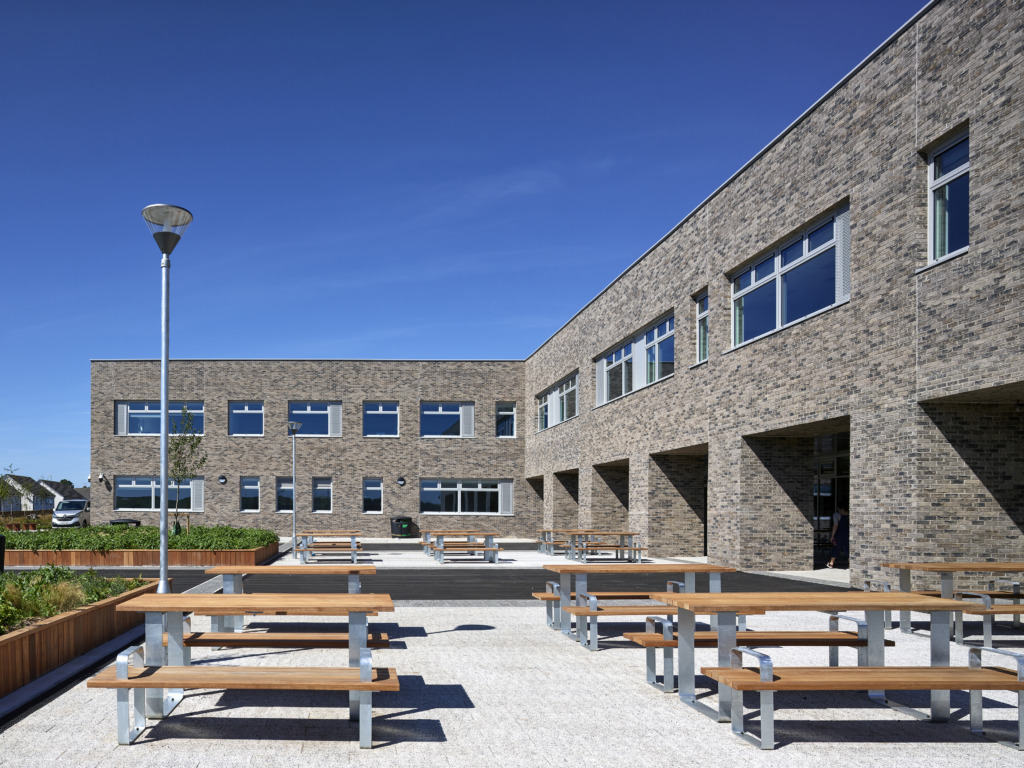
Every school project begins with a building, but the best outcomes come from understanding the wider estate.
How does this investment fit into a long-term asset strategy? Will it remain flexible as teaching methods evolve? How will it perform over the next 30 or 40 years? Can maintenance, lifecycle costs and operational efficiency be improved?
These are the questions that increasingly shape successful education investment.
Schools today are expected to do far more than provide classrooms. They are community assets, wellbeing hubs and spaces that need to support changing patterns of learning while remaining safe, sustainable and cost-effective to operate.
That requires a different approach to planning, design and delivery.
Creating places that serve communities
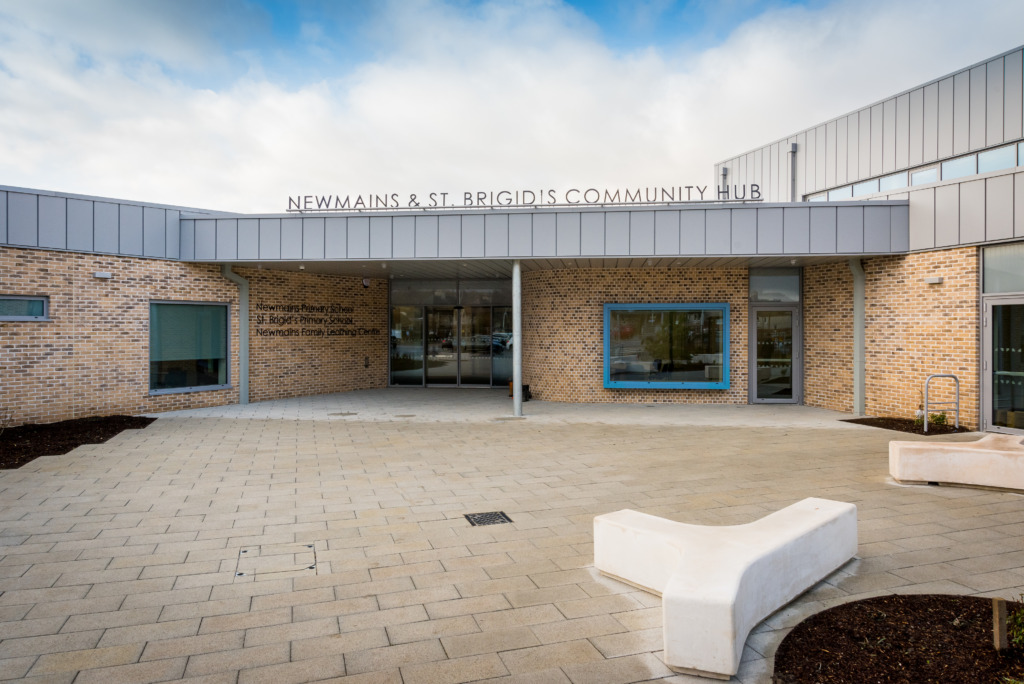
One of the strongest examples of this is the award-winning Newmains & St Brigid’s Community Hub.
Rather than simply replacing educational facilities, the project created a vibrant community destination that brings together primary education, early years provision and wider community services within a single integrated campus.
Projects like this demonstrate how education buildings have evolved beyond traditional school design. Success is measured not only by construction quality, but by the long-term value they create for pupils, staff and the wider community.
It reflects a growing trend across the sector: creating places, not just buildings.
Delivering certainty on complex projects
Education projects rarely happen on empty sites.
Many are delivered within live school environments, where maintaining safety, minimising disruption and protecting programme certainty become just as important as the construction itself.
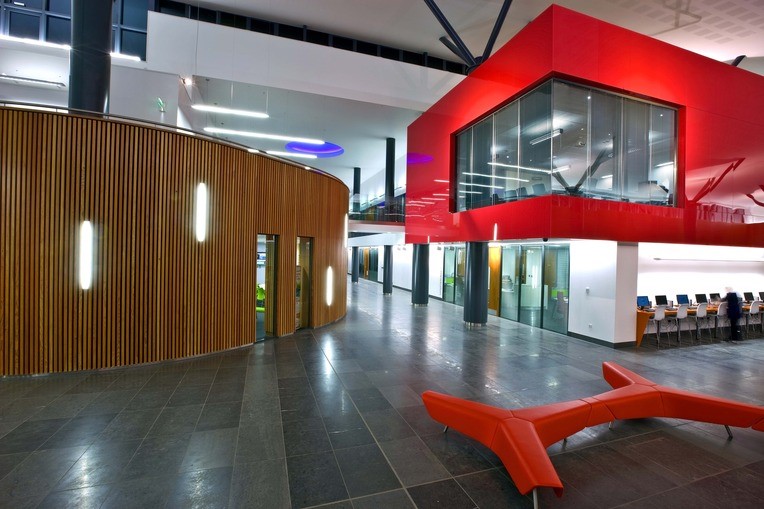
Our work on Boclair Academy demonstrates the importance of careful planning and collaborative delivery on complex education projects.
As one of East Dunbartonshire’s flagship secondary schools, the project required close coordination between multiple stakeholders to deliver a modern learning environment while maintaining confidence in cost, programme and quality throughout the delivery process.
These are challenges that cannot be solved by one discipline alone.
A whole-house approach
One of the biggest changes we’ve seen across the education sector is a move away from appointing consultants to solve isolated problems.
Clients increasingly want trusted partners who understand the entire project lifecycle.
That means bringing together:
- Quantity Surveying to provide commercial certainty and maximise value.
- Project Management to coordinate delivery and manage programme risk.
- Building Surveying to understand existing assets and inform long-term investment decisions.
- Principal Designer expertise to ensure health, safety and compliance remain embedded throughout every stage of delivery.
When these disciplines work together from day one, clients benefit from better decision-making, earlier identification of risks and stronger collaboration across the whole project team.
Ultimately, it’s not about delivering four separate services. It’s about delivering one coordinated outcome.
Investing in better learning environments
Over recent months we’ve explored several themes that are shaping the future of education estates, from creating environments that support learning and wellbeing to celebrating projects that place communities at the heart of design.
What links these conversations is a simple principle. Great schools are not defined solely by architecture or construction, rather they’re defined by how successfully they support the people who use them every day.
That means designing flexible spaces, creating inclusive environments, supporting sustainability objectives, planning for future adaptation and managing whole-life costs.
It also means ensuring every investment contributes to a stronger estate rather than simply completing another project.
Looking ahead
The pressures facing education providers aren’t going away. Budgets will remain under scrutiny and buildings will continue to age. Expectations around sustainability, accessibility and safety will continue to increase.
The organisations that will be best placed to respond are those taking a strategic, estate-wide view of investment rather than focusing solely on individual projects.
At Doig + Smith, we’ve spent decades supporting education clients across Scotland, helping deliver schools, campuses and community facilities that create lasting value.
Because successful school estates aren’t built project by project, they’re built through long-term partnerships, integrated professional expertise and a shared commitment to creating places where future generations can learn, teach and thrive.