
The best-managed construction projects have one thing in common long before work begins on site: they identify and address risk early.
Yet across the industry, design risk continues to be treated as something to resolve later in the process. It is often considered once planning permission has been secured, procurement is underway or construction is about to begin. By that point, opportunities to influence safer, more efficient and more cost-effective outcomes have already been reduced.
Design risk is not simply a health and safety exercise. It has a direct impact on programme, cost, buildability, long-term maintenance and operational performance. Managing it early creates better projects. Managing it late often means accepting compromise.
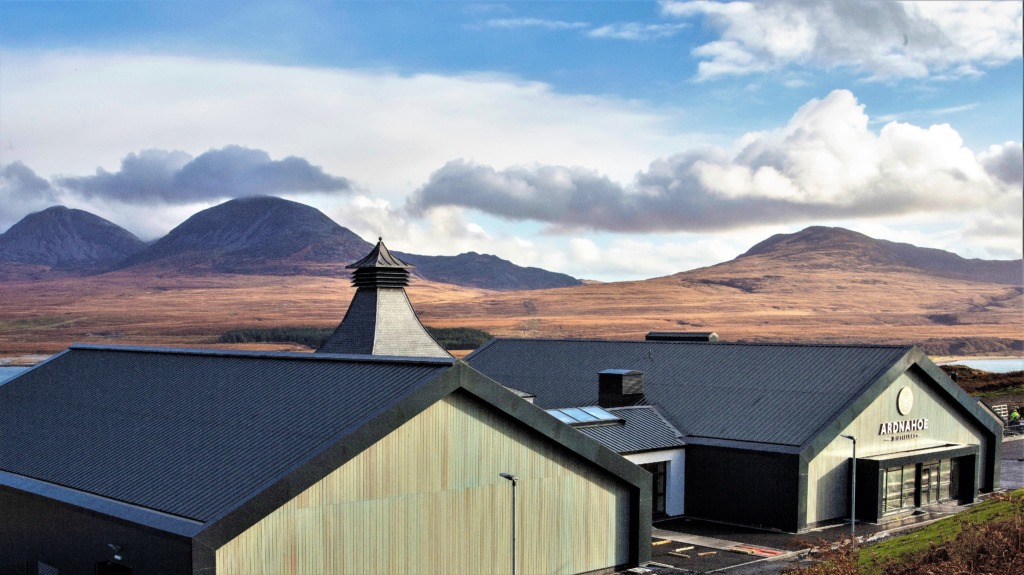
Design decisions shape everything that follows. Every construction project begins with a series of decisions that influence safety, cost, programme, procurement, maintenance and operational performance. Once designs become fixed, the ability to eliminate or reduce risk becomes increasingly limited. Changes become more complex, more expensive and more disruptive.
The Construction (Design and Management) Regulations place legal duties on clients, designers and Principal Designers to eliminate, reduce and control foreseeable risks. However, organisations that view design risk purely through the lens of compliance often miss its wider commercial value. Early design risk management can reduce redesign, improve programme certainty, minimise costly changes, improve buildability and reduce whole-life maintenance costs.
When design risk is considered late, projects often experience design revisions after tender, programme delays, contractor queries, variation costs, coordination issues and increased operational risk after handover. Many of these issues are avoidable when risk is addressed at the earliest stages.
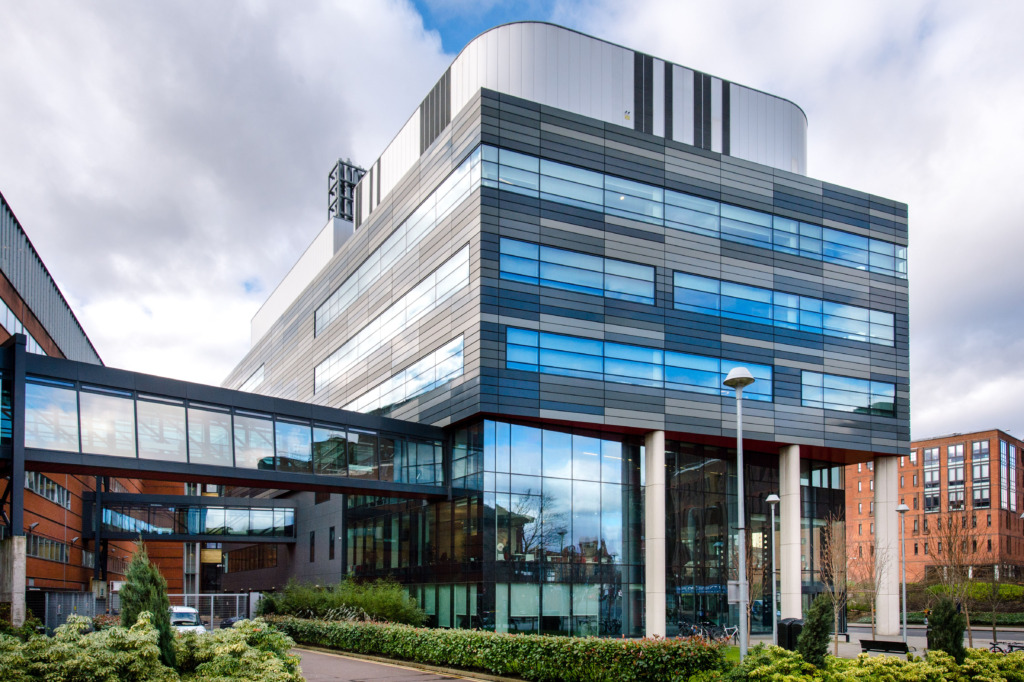
Principal Designers add the greatest value during project inception, helping clients consider project objectives, site constraints, existing buildings, construction methodology, future maintenance and procurement strategy while options remain open.
Design risk does not exist in isolation. Structural decisions influence cost. Cost influences procurement. Procurement influences programme. Programme influences construction methodology, which in turn affects safety. These relationships require collaboration across Quantity Surveying, Project Management, Building Surveying and Principal Designer services.
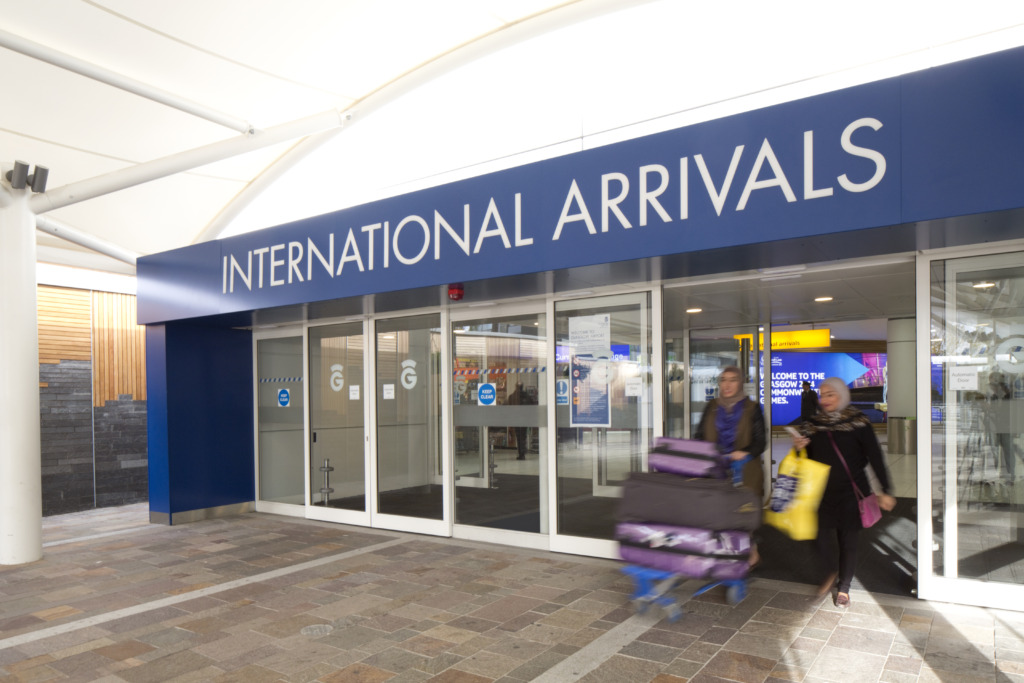
Different sectors present different challenges. Education projects must manage occupied campuses. Healthcare and care environments require operational continuity. Industrial and logistics developments involve specialist processes. Distilleries, data centres, airport projects and public estate refurbishment each bring their own complex design risks. Regardless of sector, early collaboration consistently produces better outcomes.
At Doig + Smith, our Whole House approach brings together Quantity Surveyors, Project Managers, Building Surveyors and Principal Designers from the earliest stages of a project. This integrated approach supports better decision-making, reduces uncertainty and helps deliver safer, more efficient and more commercially successful projects.
The most successful projects do not simply spend more money. They make better decisions earlier. Design risk should form part of every strategic conversation from the outset, creating projects that are safer, more resilient and better prepared for long-term operation.